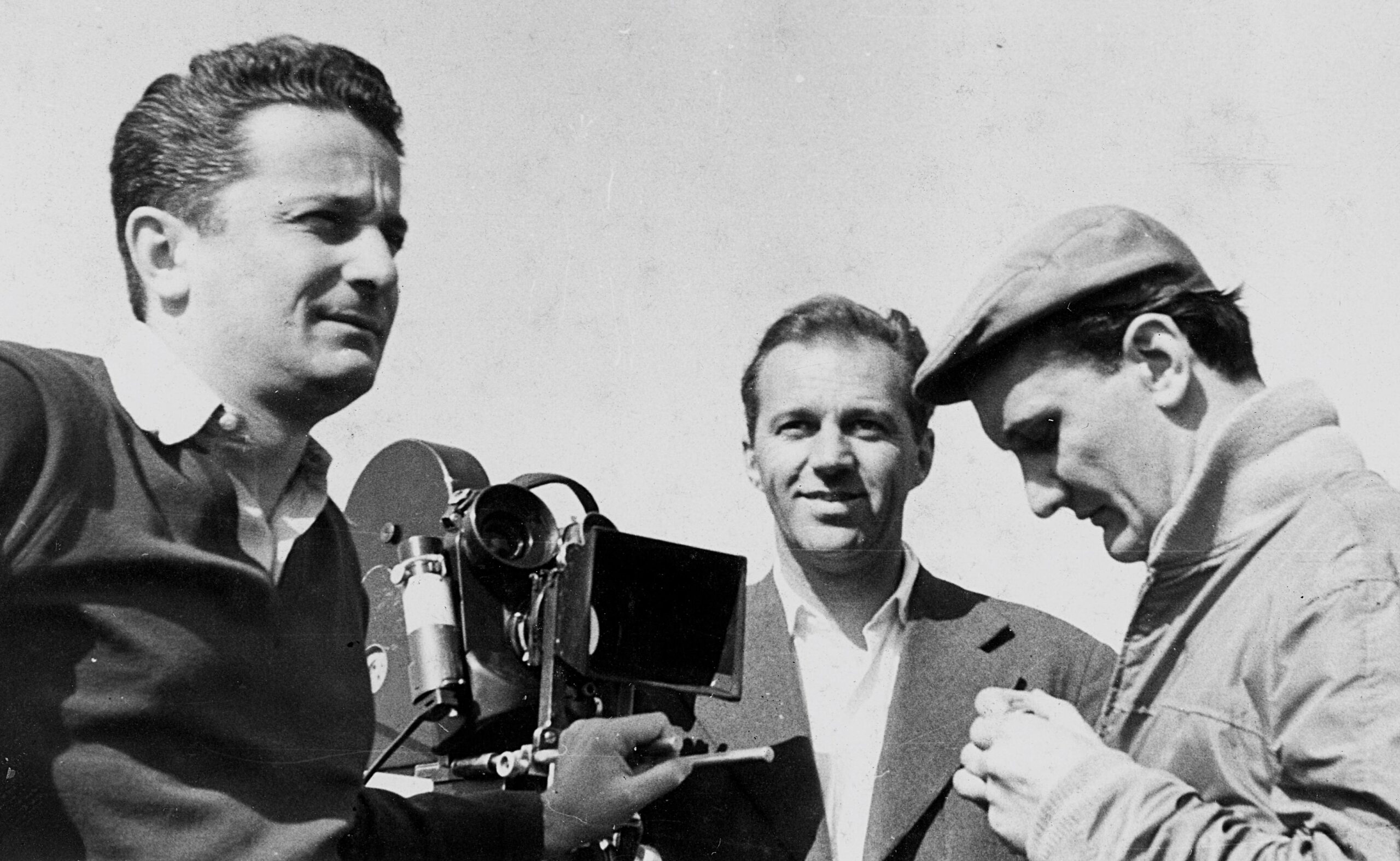
Hrvoje Sarić cinematographer and inventor
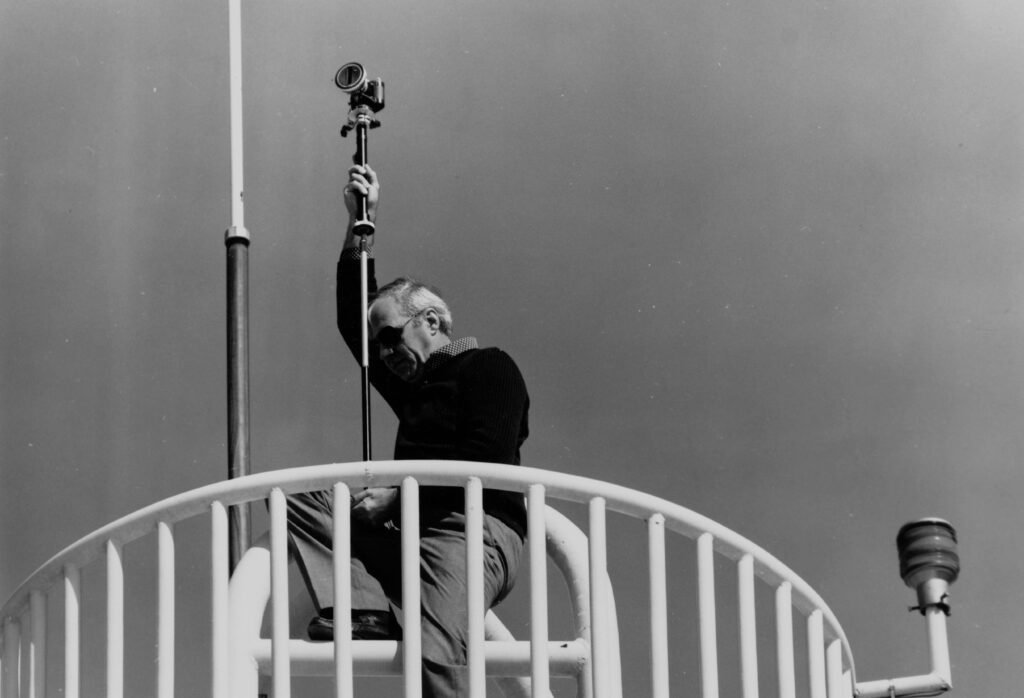
Hrvoje Sarić cinematographer and inventor
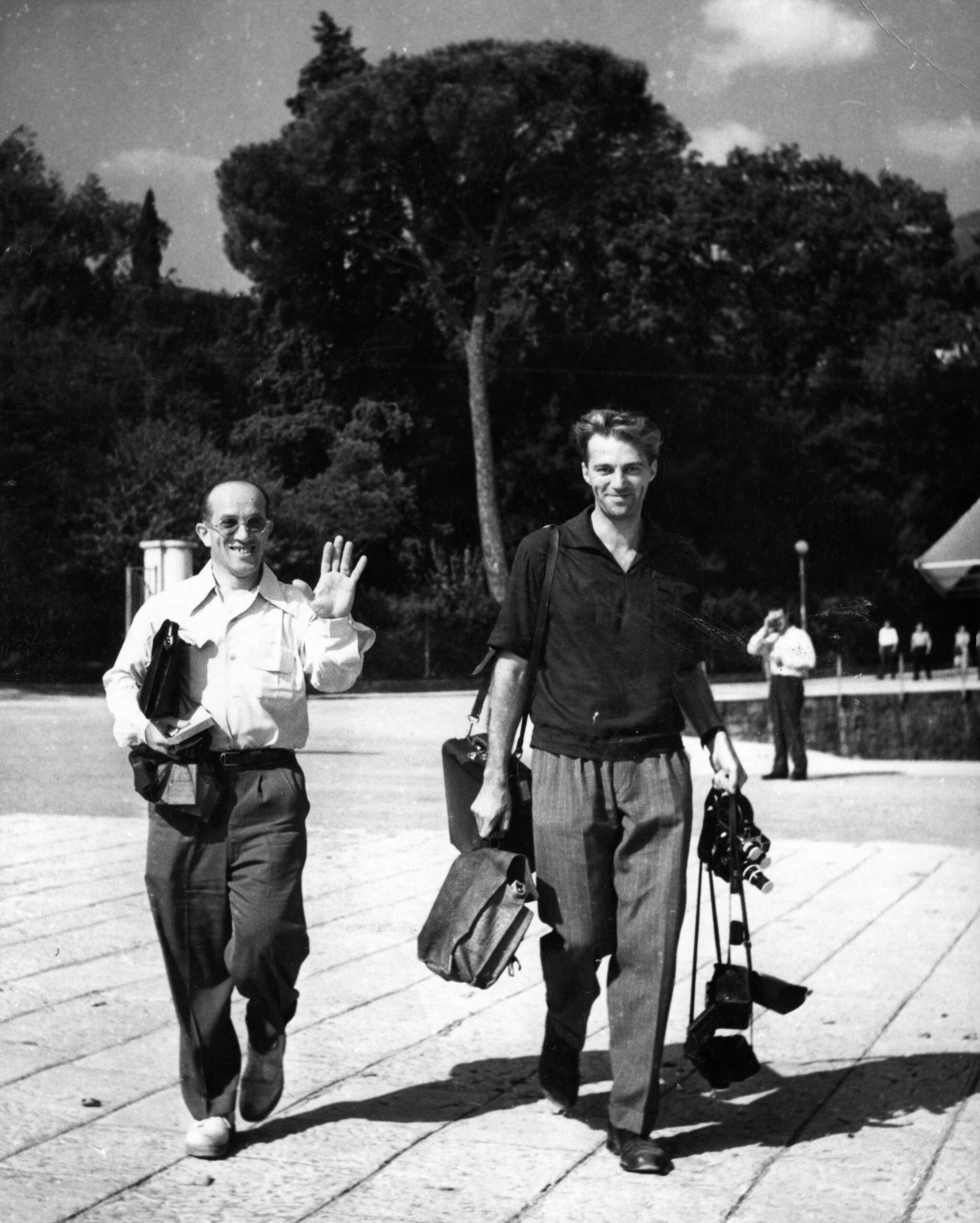
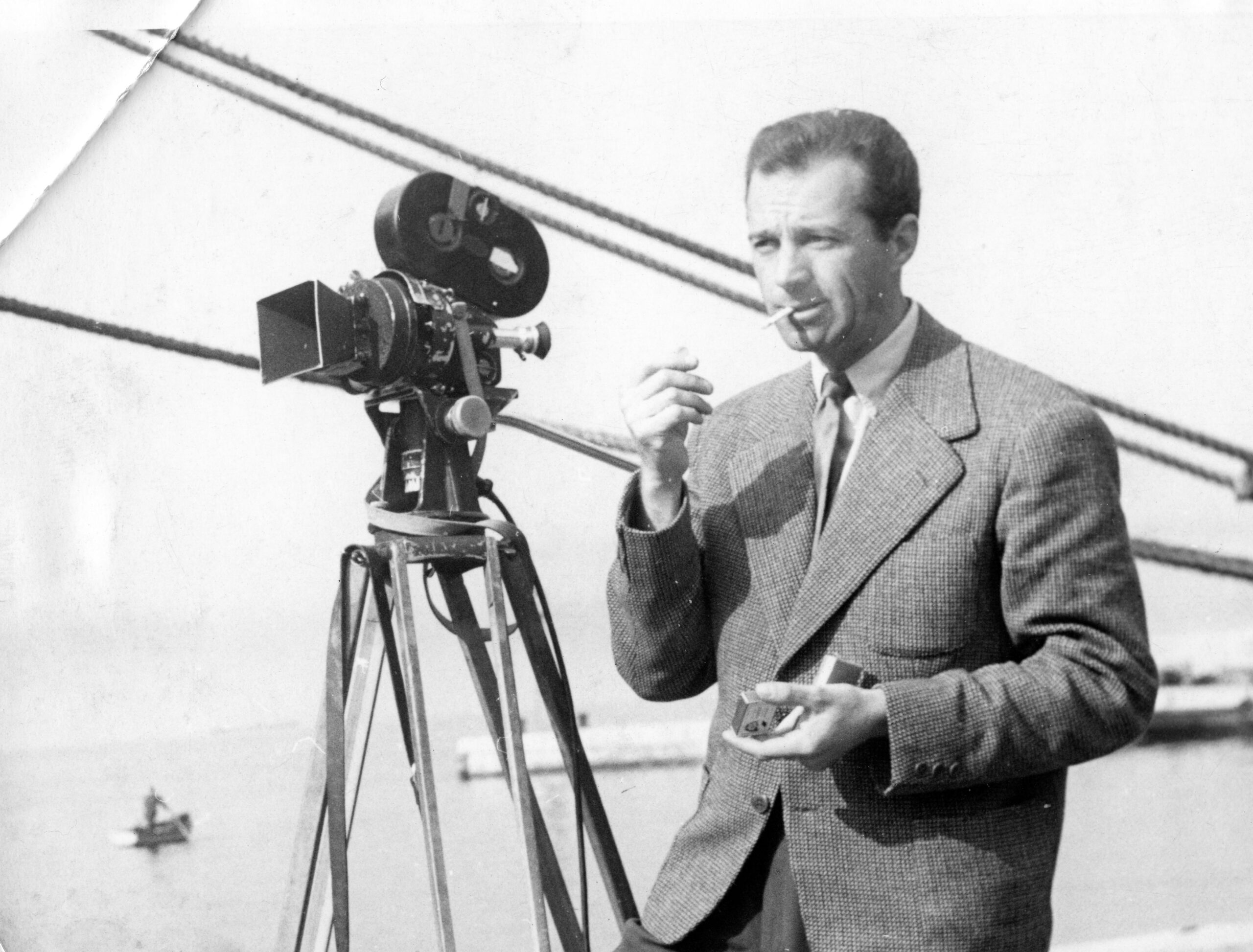
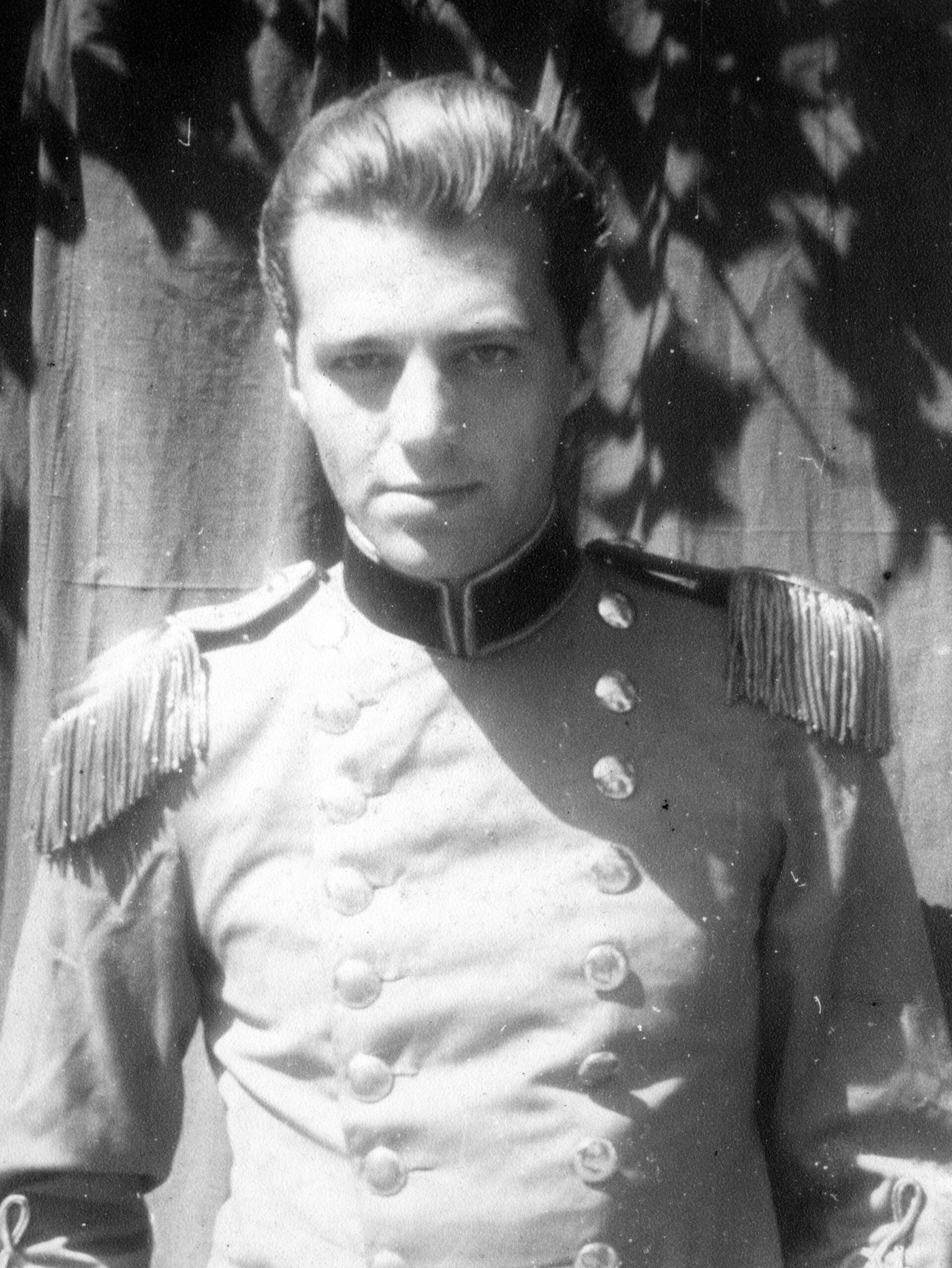
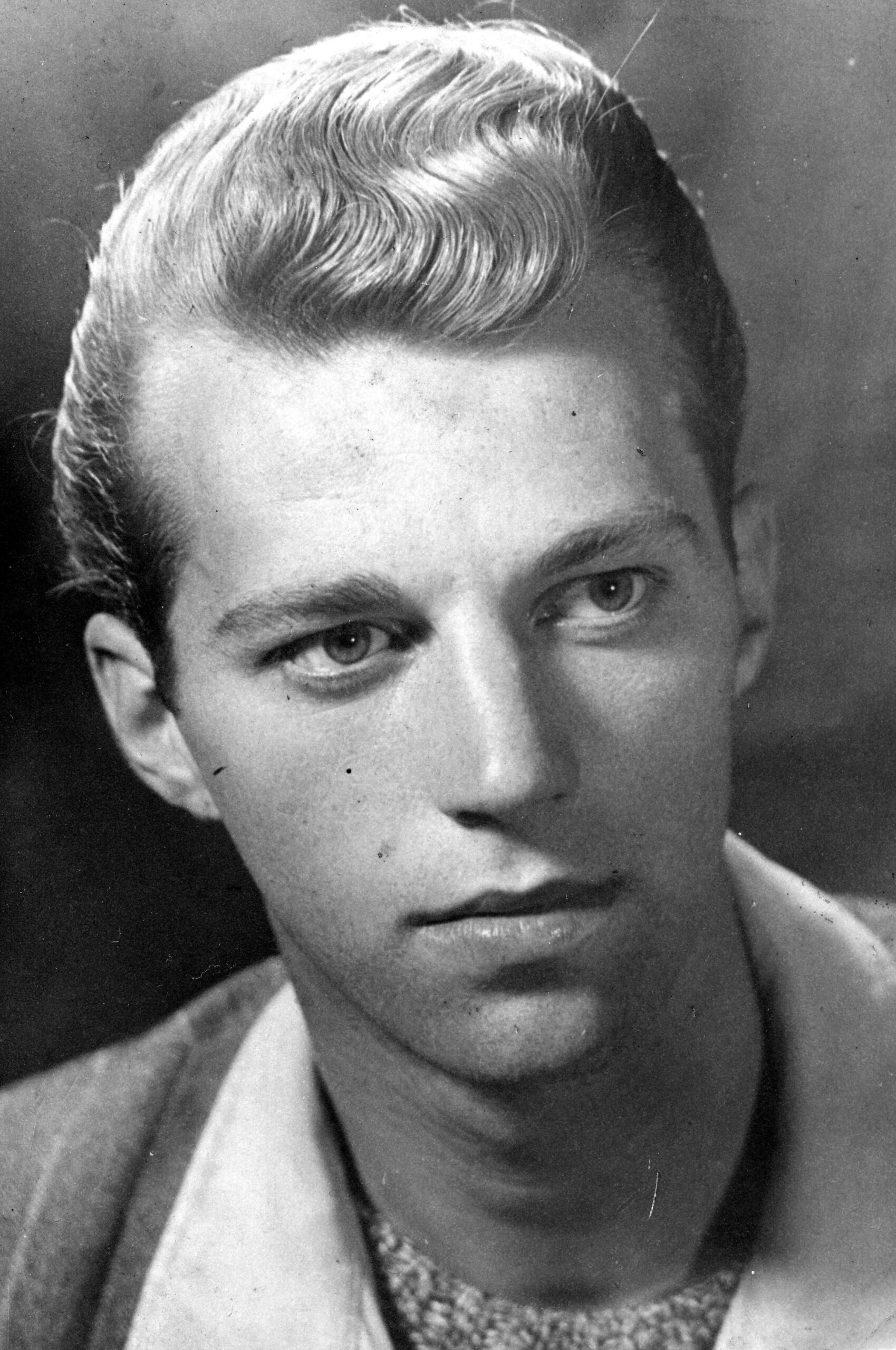
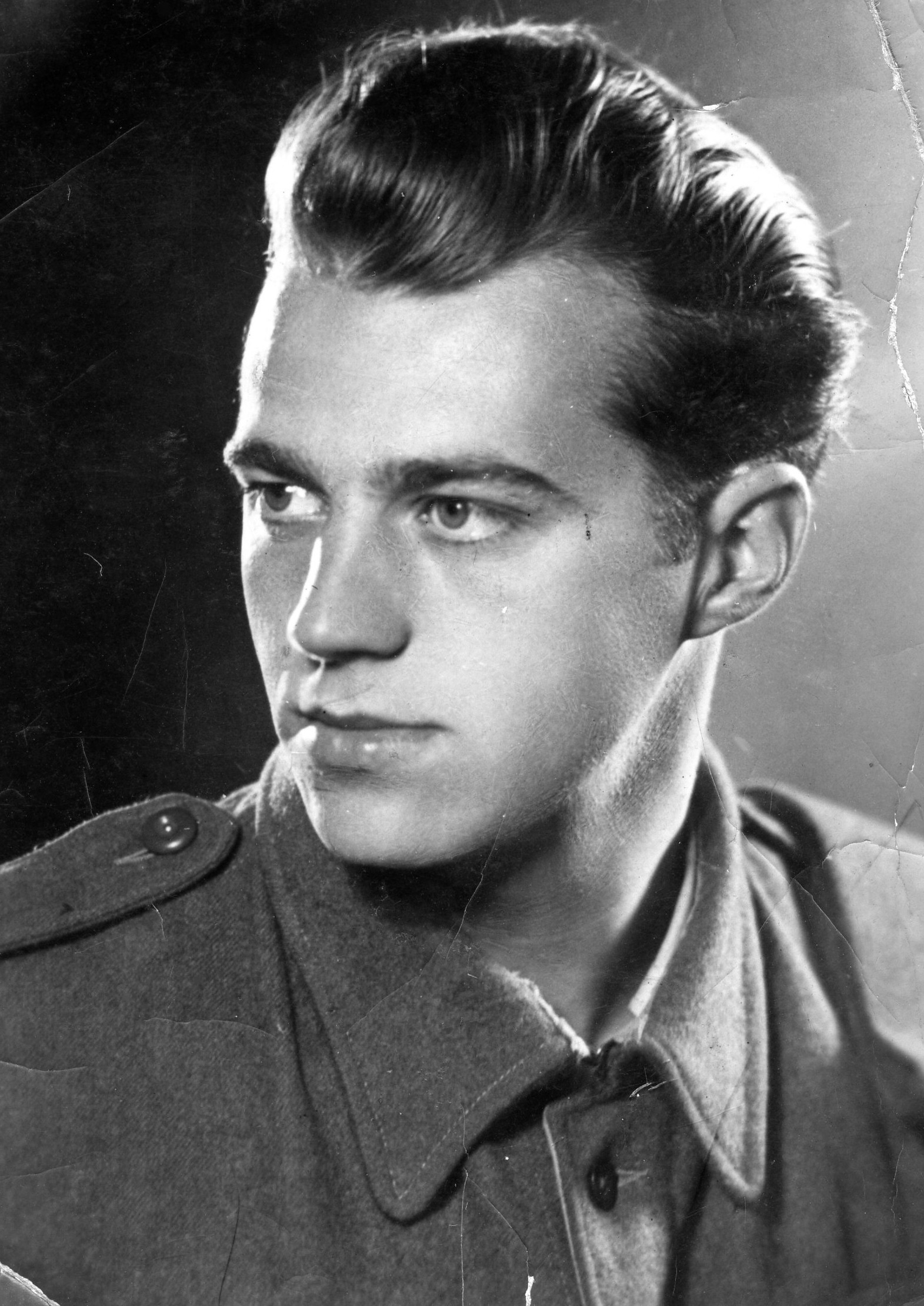
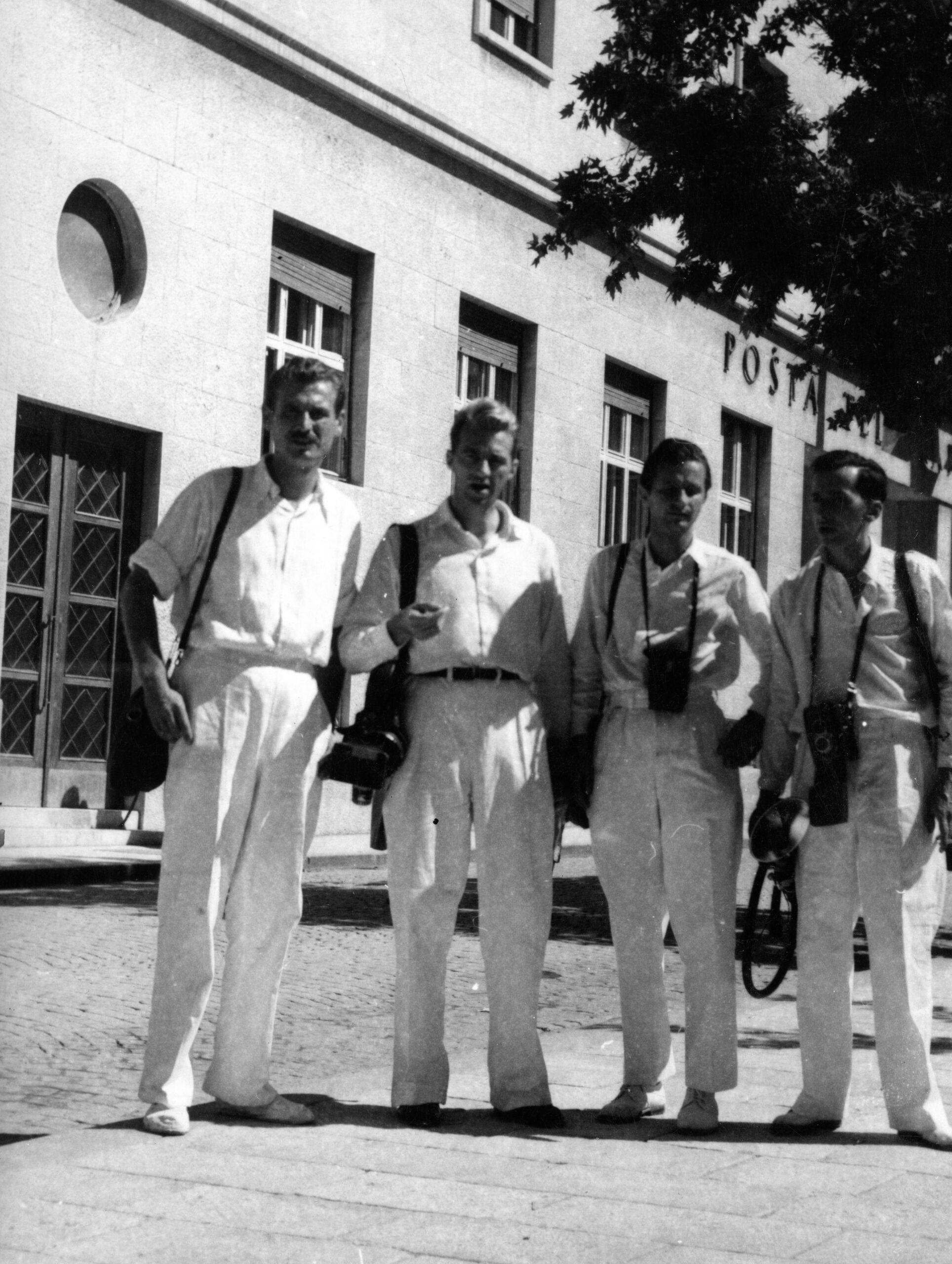
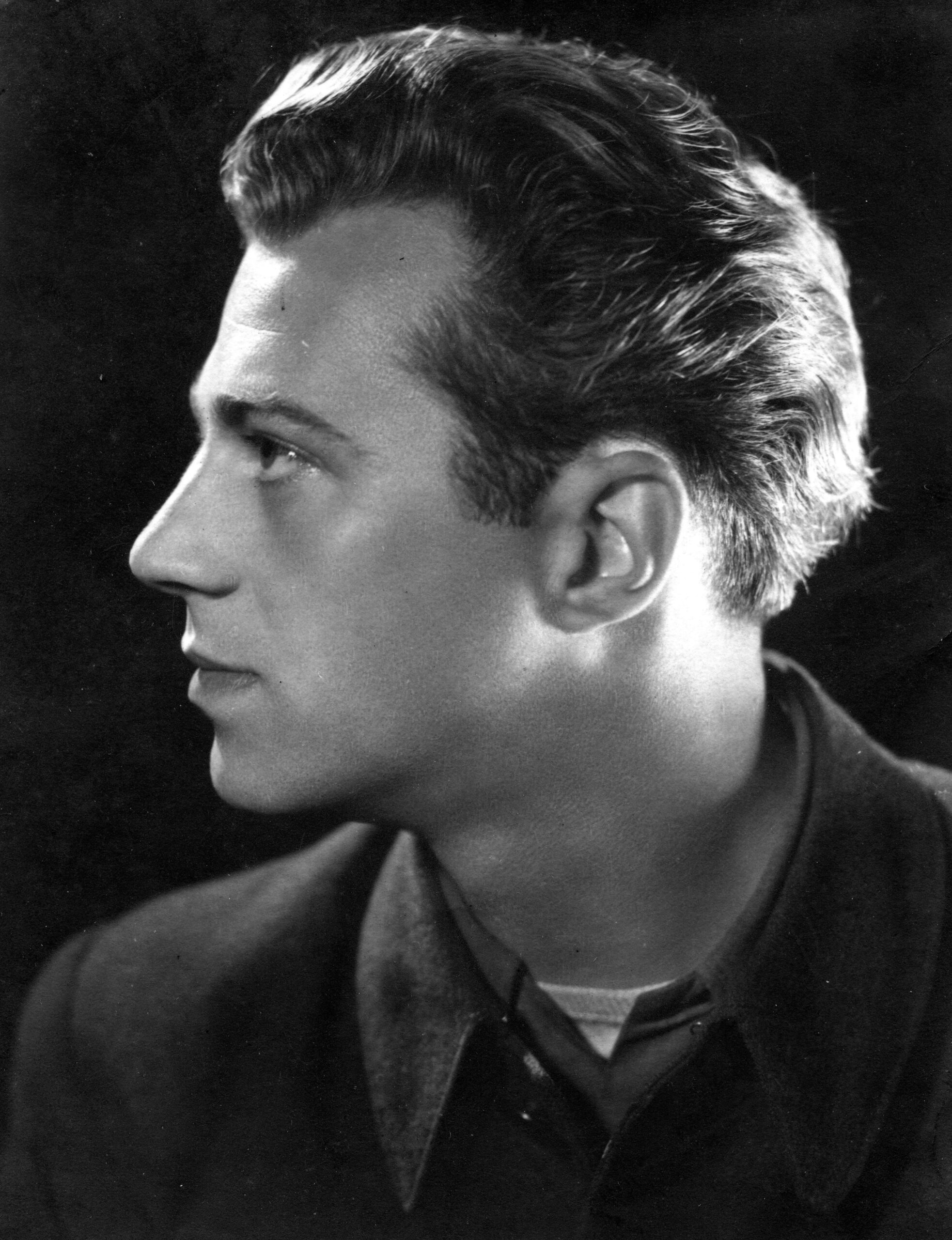
Hrvoje Sarić was born in Knin on February 3, 1922, where he spent the first ten years of his childhood. Dad’s store was also an interesting scene for the boy Hrvoje, where he gained his first knowledge of human physiognomy, speech and behavior, where, perhaps, he subconsciously stored the first shots that he would record with his lenses much later.
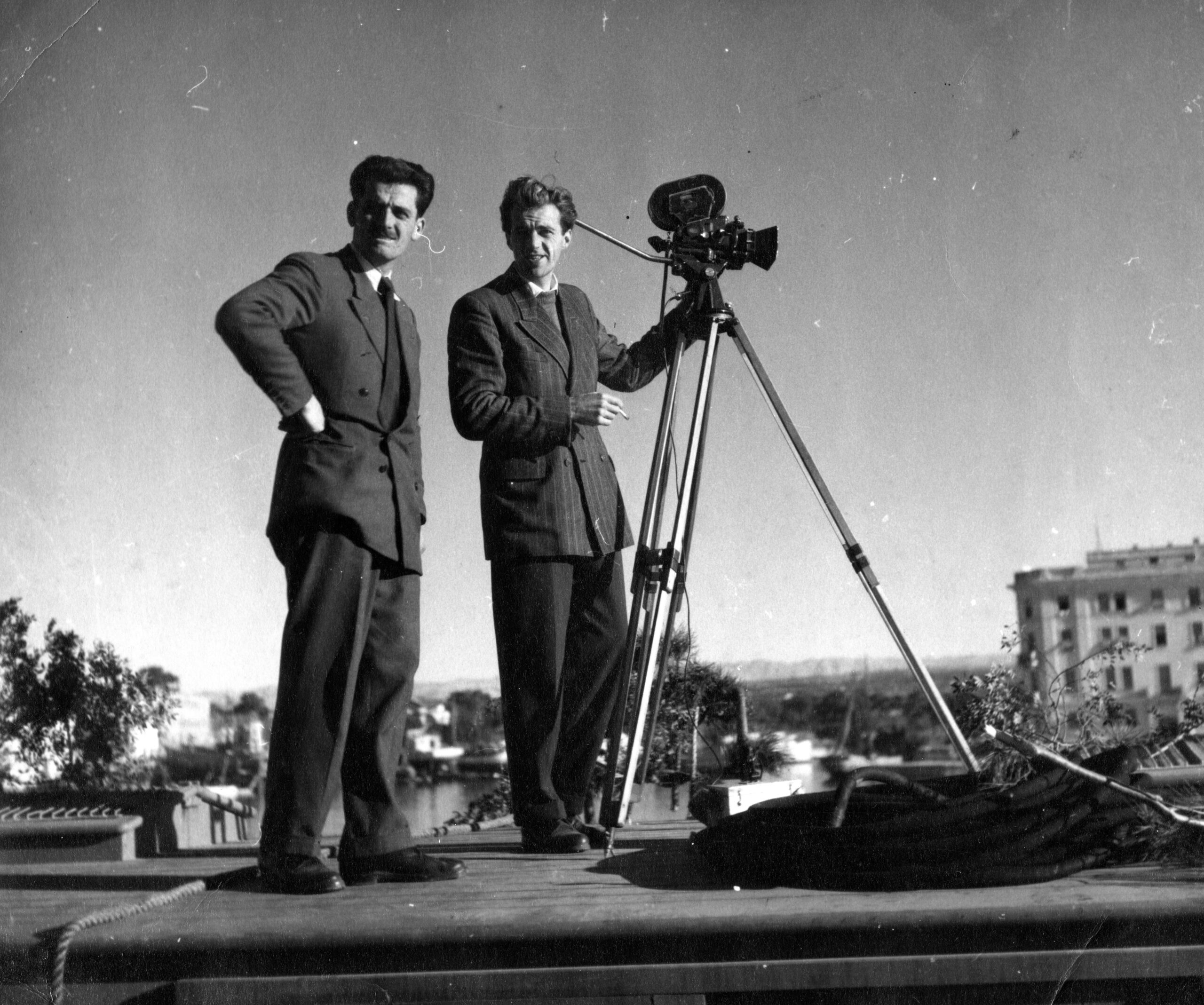
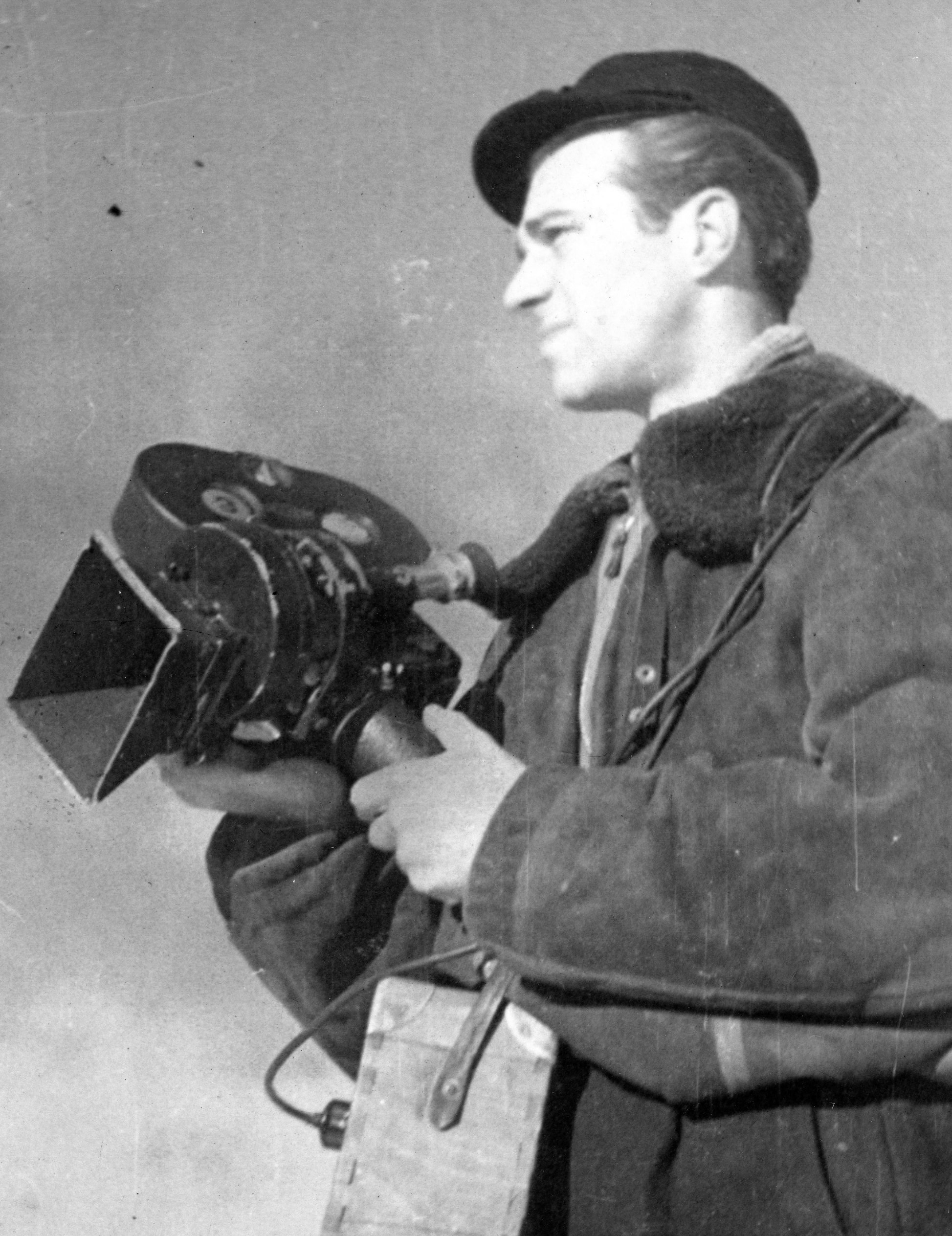
Discovering the magic of photography, he got his own photo lab and became more and more interested in photography. At the beginning of 1944, he encountered professional film for the first time, joined Hrvatski slikopis and worked as an assistant cameraman on the filming of Vatroslav Lisinski and the cultural film Radium, with Oktavijan Miletić. He founded a photo section in the Zagreb area, and already at the beginning of 1945 he started filming with a 16mm camera for Propodjel.
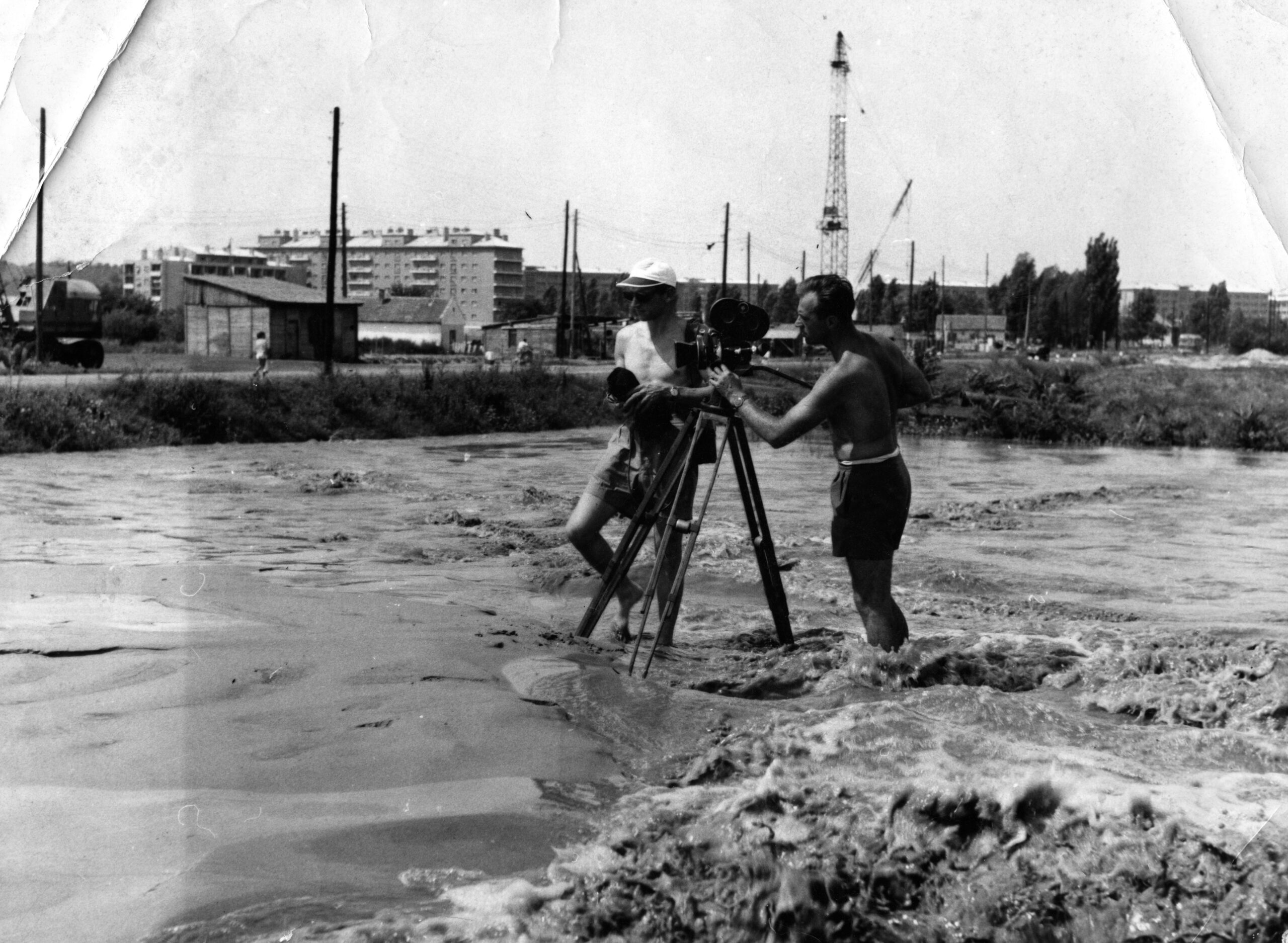
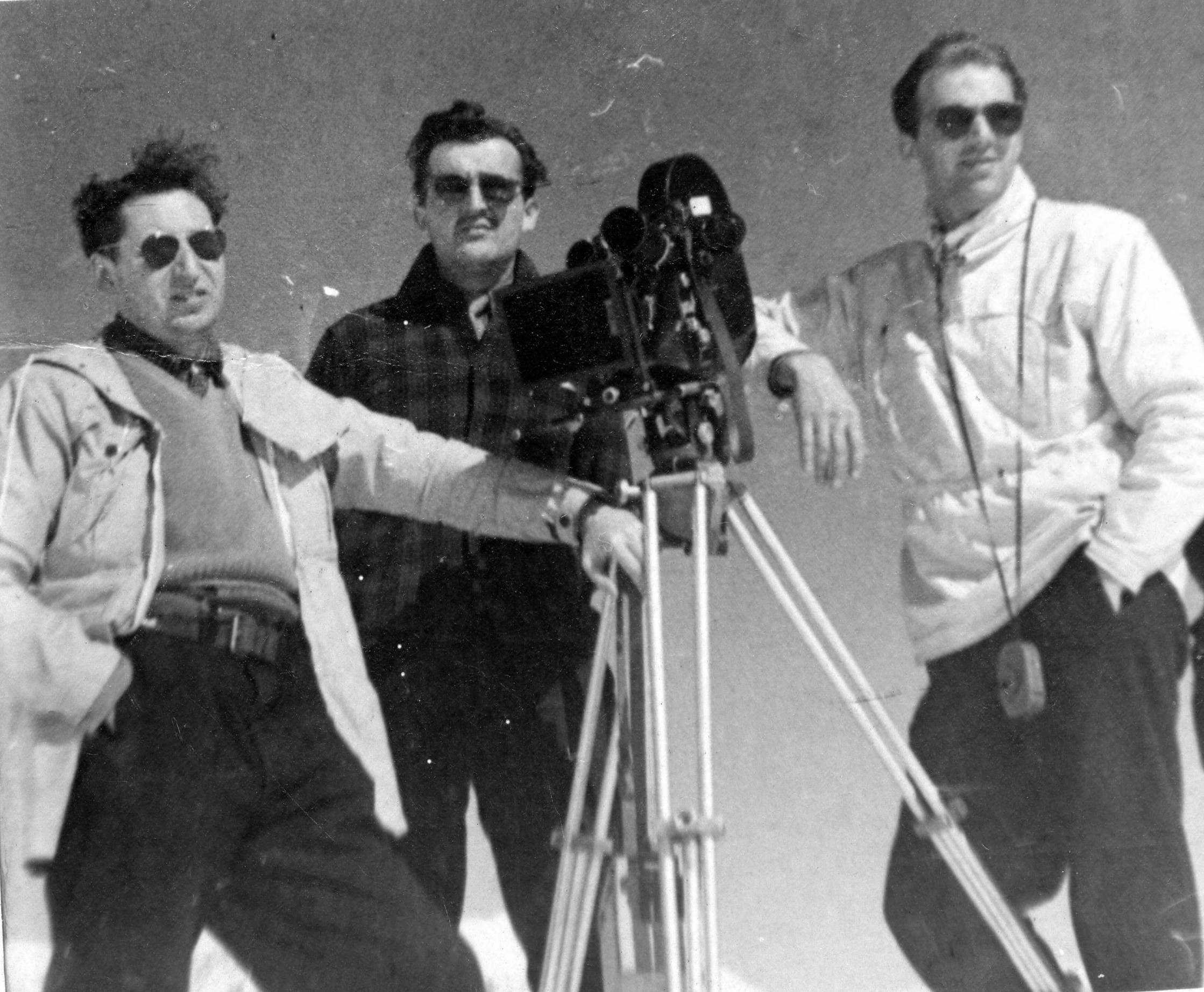
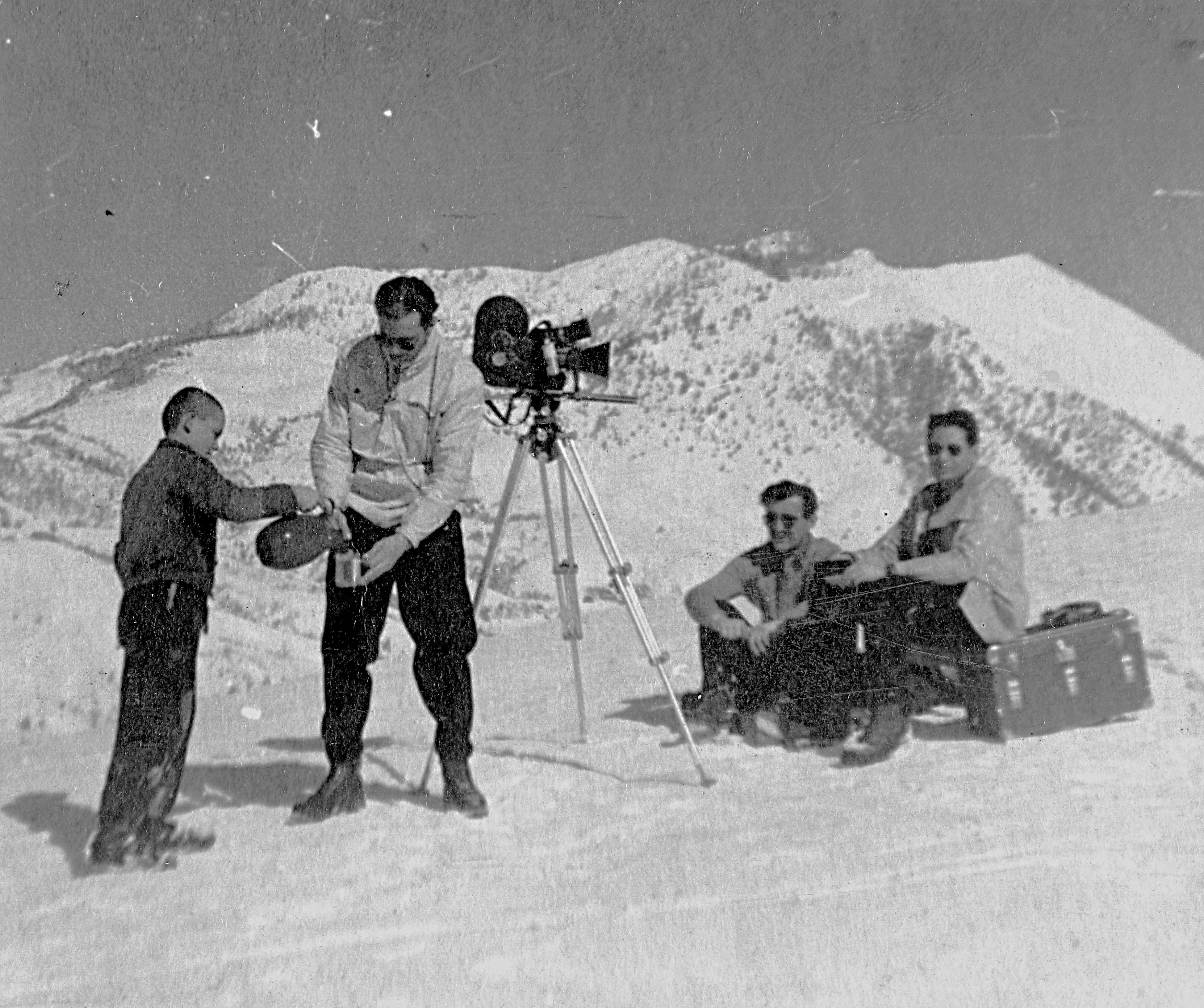
After the Second World War, he shot numerous documentaries and short feature films. Since 1946, he has been filming film reviews produced by Jadran Film, and already in 1947, several documentaries with Milan Katic and Branko Belan, among which Iz tame u svjetstelje and Electrifikacija stand out. In the same year, he took over the correspondence of Film News for Croatia, and over the course of a number of years (until 1953) recorded around two hundred reports and stories from Croatia.
Since 1962, he has been shooting and directing a dozen documentary films based on his own script, among which are Blue Highway, There Was an Earthquake, The Price of Catastrophe, Zagreb 1967-69, The Road to Advanced Cattle Breeding, Living with a Sense of Space.
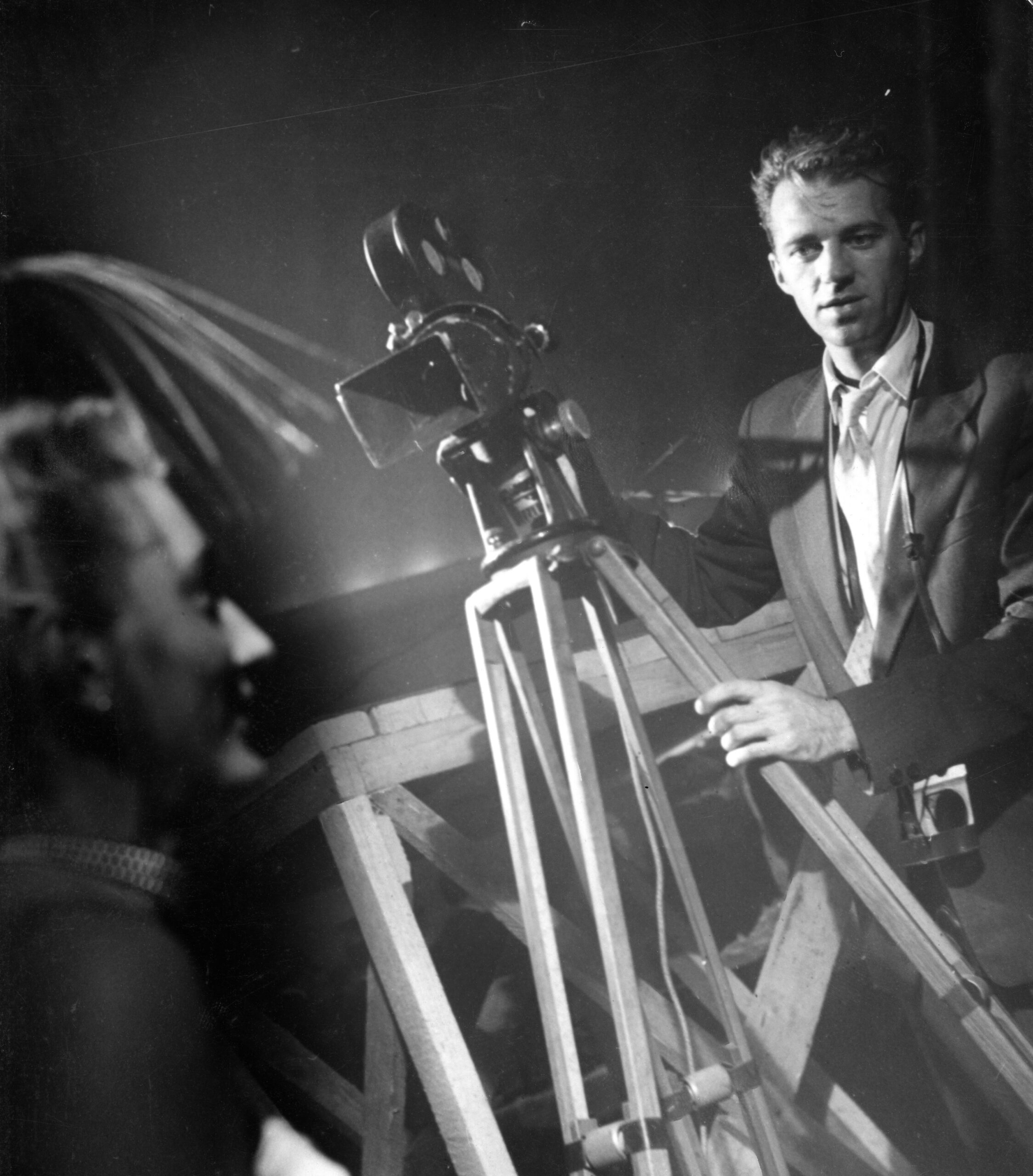
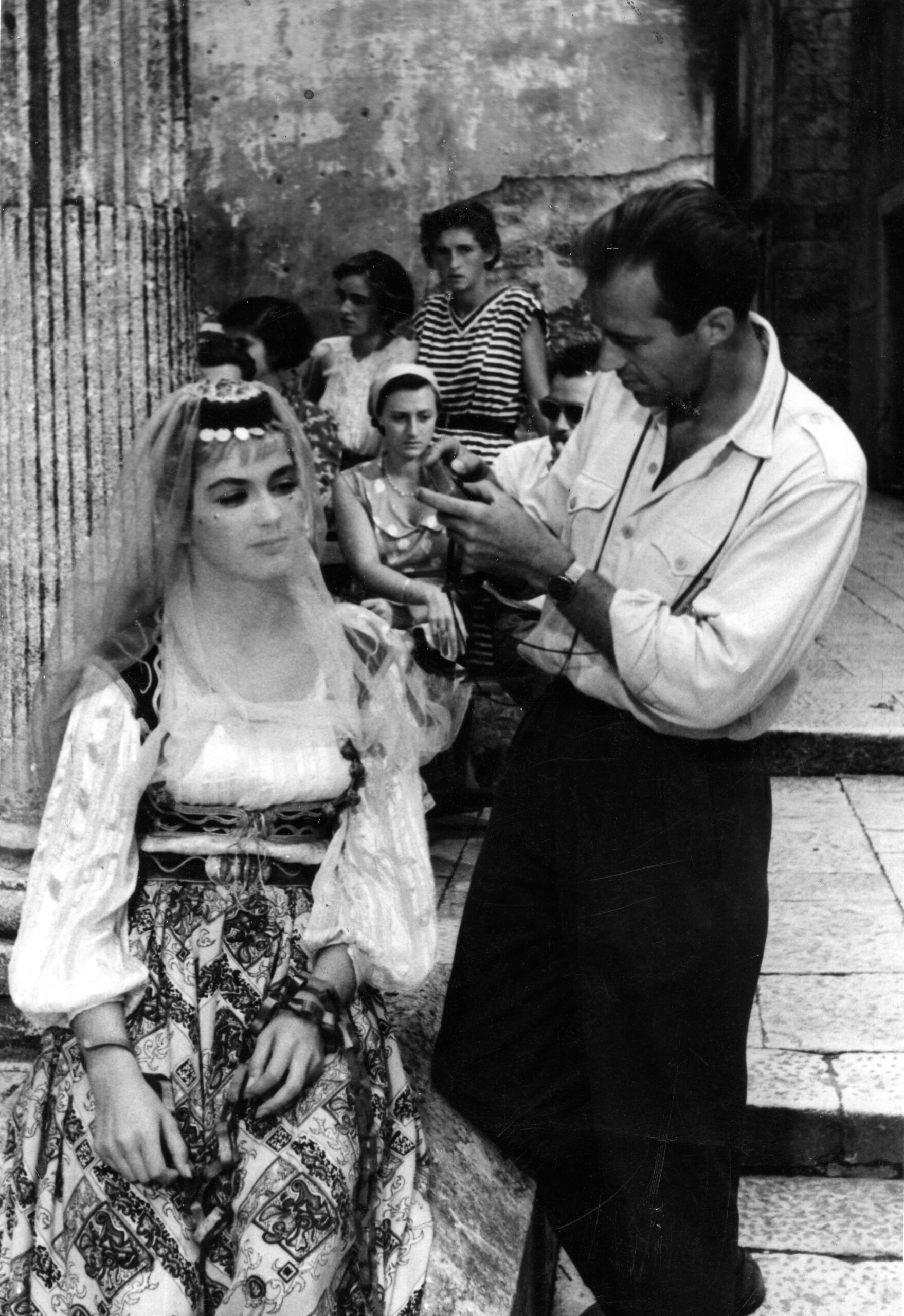
For a long time, he shot industrial and documentary films for the needs of Pliva (ten years) and the Rada Končar Factory (fourteen years), as well as documentaries for the needs of the City of Zagreb. For Zora-film, he shot the medium-length films Srećka Weygand Piko and Fedor Škubonja’s The Lost Pencil (which was awarded the Golden Lion at the Venice Children’s Film Festival). He also shot several co-produced feature films, as director of photography, mainly in Rome and Ljubljana.

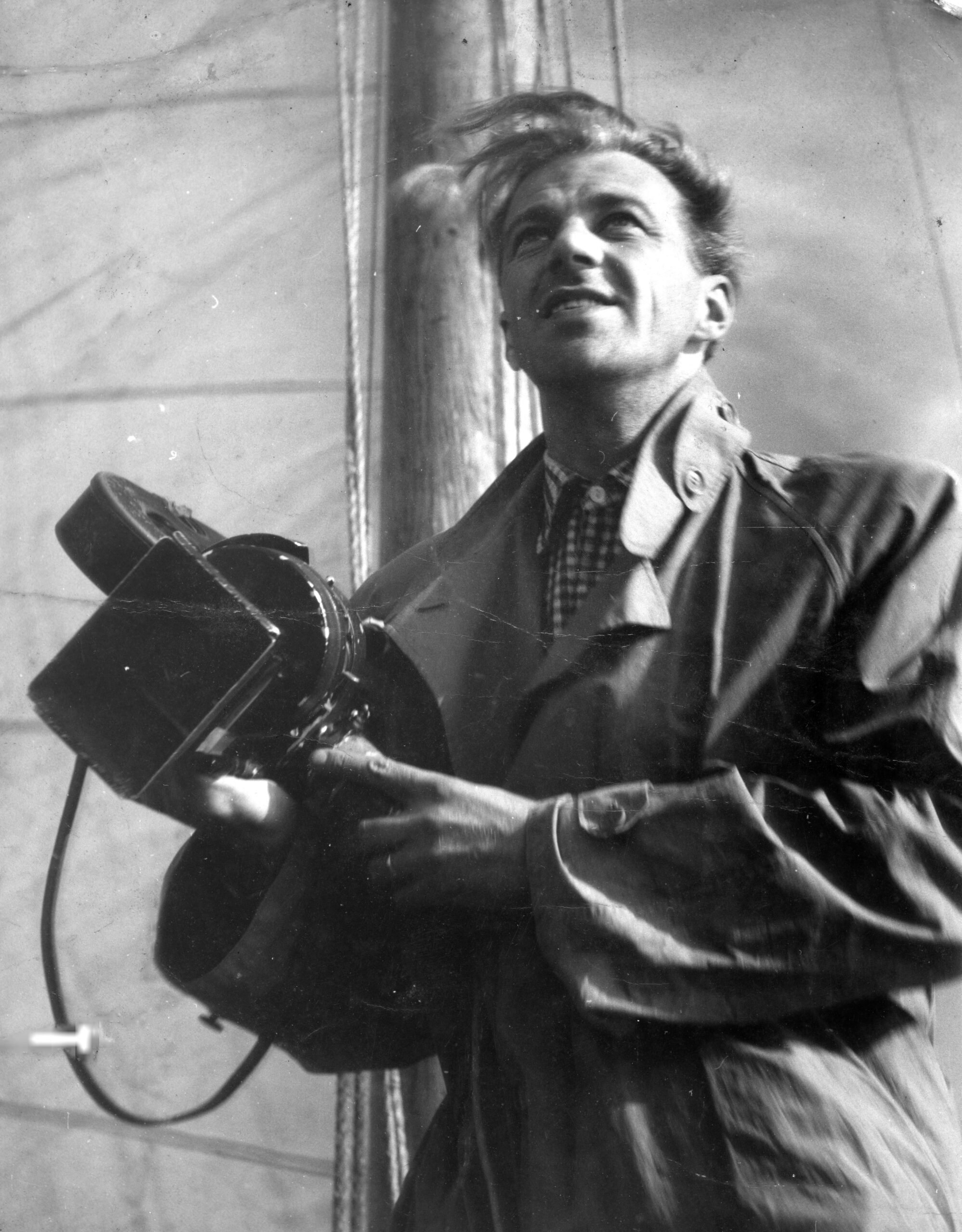
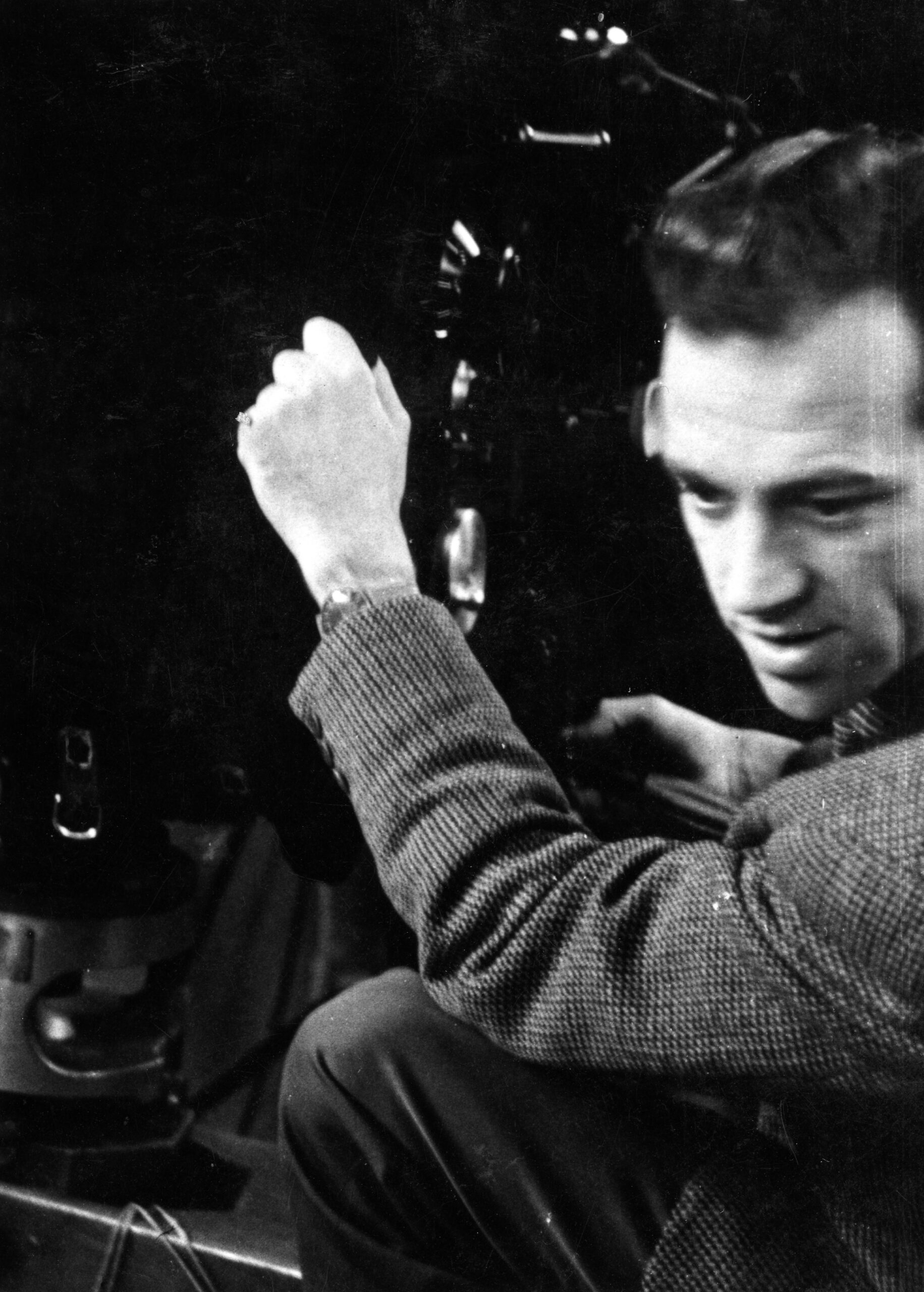
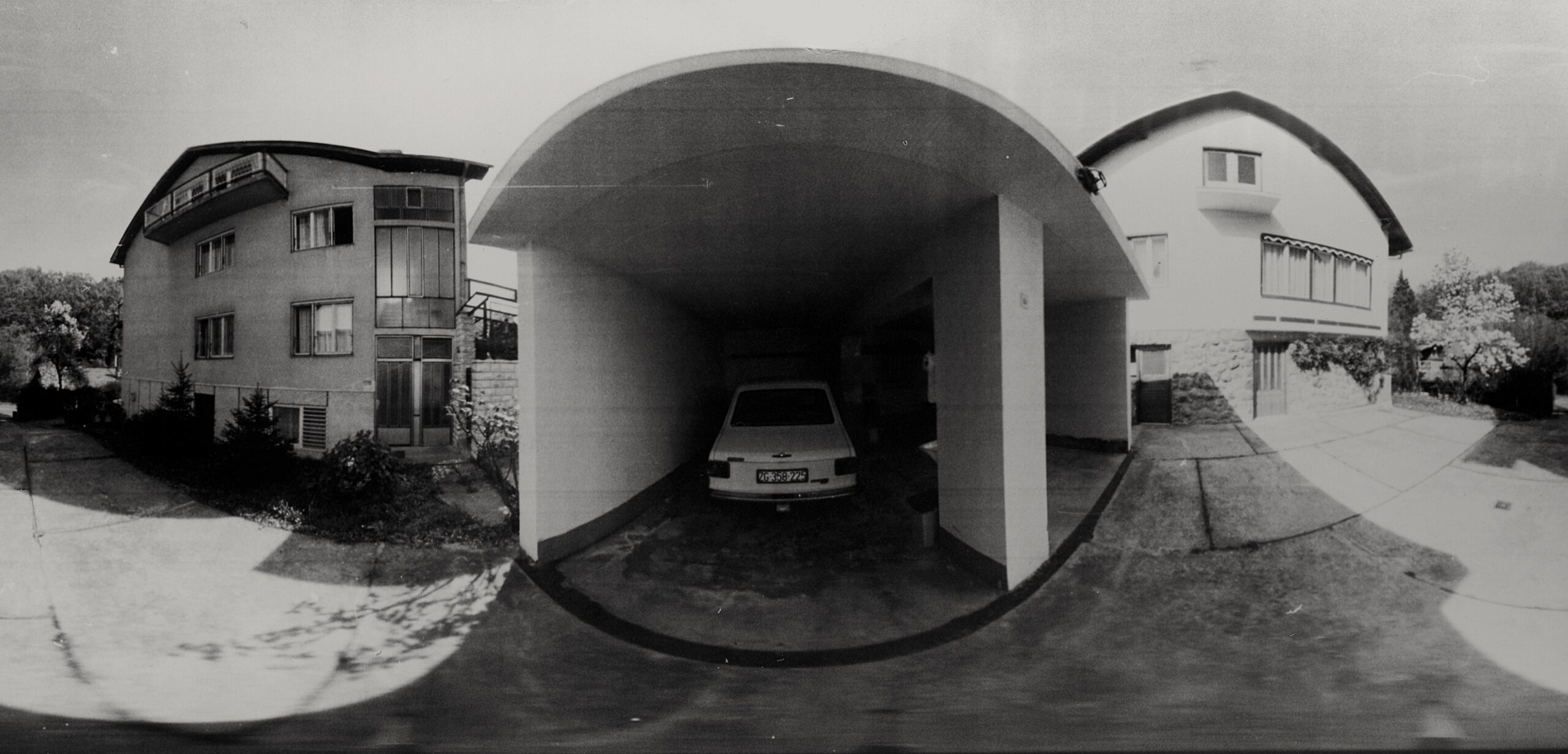
In the field of film and photography, in 1972, Hrvoje Sarić invented and patented the world’s first professional synchro-rotation camera, called the SRF 360o. Almost overnight, and a full 26 years later, he created the world’s first fully electronic construction under nine BETACAM video cameras, which record in a 360o circle, while the image is projected on a circular screen using nine LCD projectors, based on liquid crystals. This construction enabled the director Vinko Brešan’s team to film the unique film One Day on the Croatian Sea, with which the Republic of Croatia presented itself at the 1998 EXPO World Exhibition in Lisbon. The film attracted great attention from viewers and was seen by more than a million people. The identical construction was used for the filming of the new film that Croatia presented at the World Exhibition EXPO 2000 in Hanover.

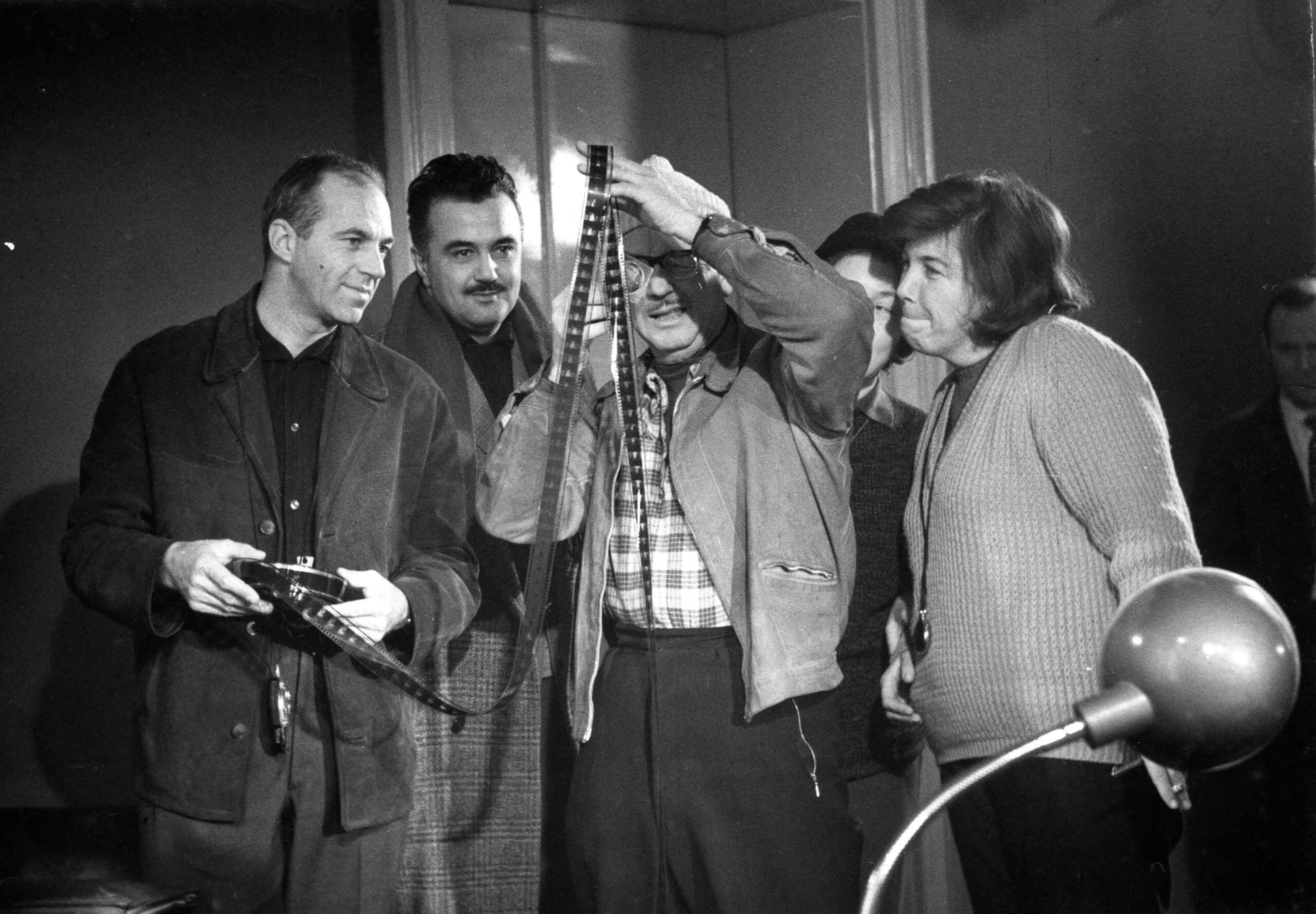
Hrvoje Sarić achieved significant cooperation with the Croatian Cinematheque and the Croatian Film Association, where, using his own innovative method, he transferred substandard silent films from the 9.5mm, 8mm and super 8mm formats, from a speed of 16 frames per second to today’s standard of 24 frames per second , and all on professional standard 35mm and 16mm film tape. Through this process, many previously unavailable and valuable fiction and documentary titles saw the light of day, from Oktavijan Miletić and Maksimilijan Paspa to newer works by film amateurs such as Tomislav Gotovac, Zdravko Mustać and many others.